
More unfounded optimism from the Bank of England?

The Bank of England has produced its latest inflation report and the Governor, Sir Mervyn King, believes that there is “grounds for optimism”.  The problem with this is that the Bank has been consistently overoptimistic about the prospects for inflation and output since the financial crisis and the onset of recession.  Is this time different?
Continue reading

Posted in economic policy | Leave a comment

Dr Carney and the UK economy

There has been lot of fanfare about the appointment of Mark Carney as the next Governor of the Bank of England.  Apparently he is the Lionel Messi of central bankers who will transform the state of the British economy.  He won’t.  Central bankers are not footballers or rock stars let alone economic saviours – they are central bankers.  They work in large organisations with prescribed rules – the most that we can hope for is that they are competent.   We have some idea of Dr Carney’s views after his appearance today before the House of Commons Treasury Select Committee.

Continue reading

Posted in economic policy | Leave a comment

The Benefits of a Plan B: Lessons from the Interwar Period

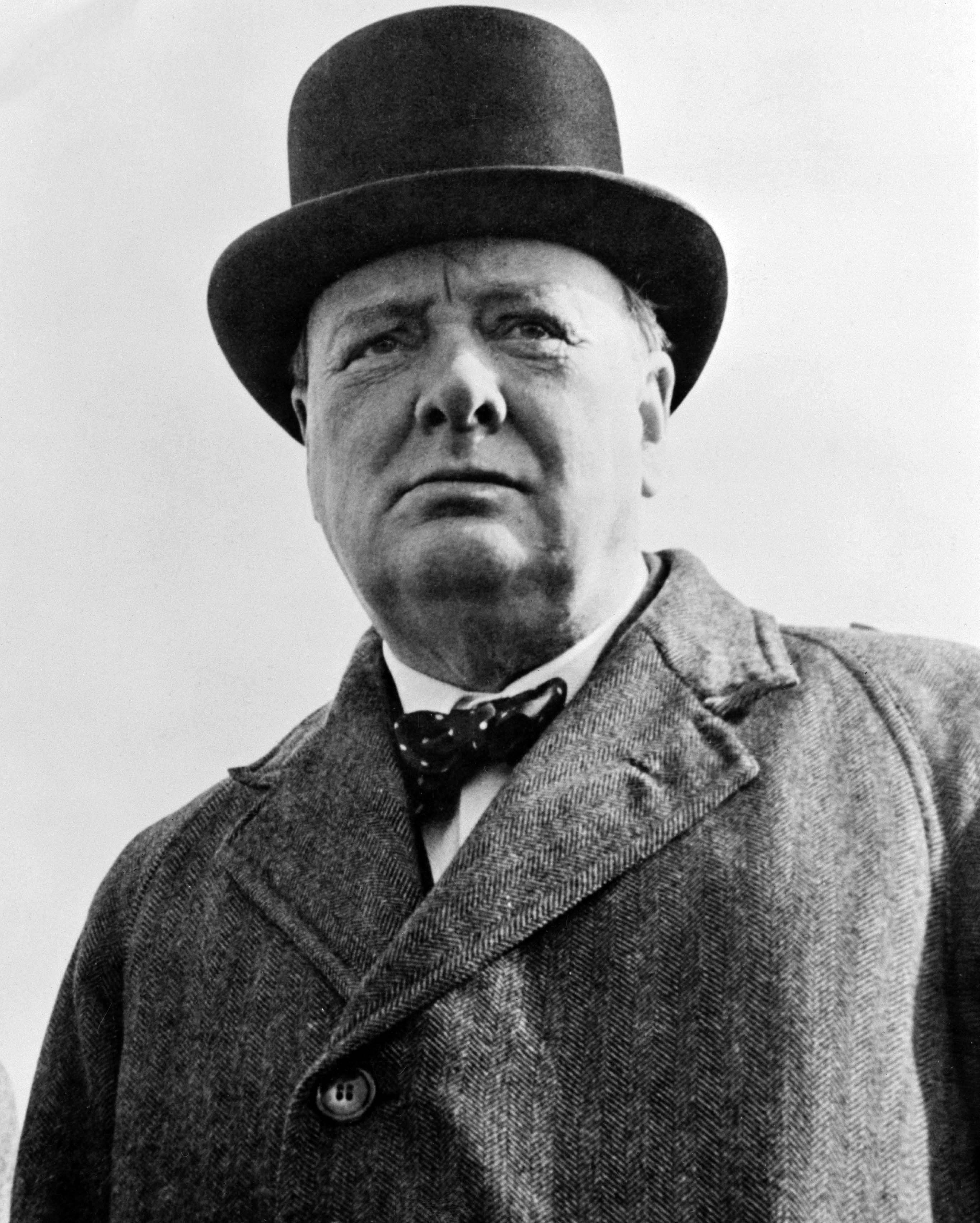
Sir_Winston_S_Churchill

Winston Churchill
Source: Library of Congress, Reproduction number LC-USW33-019093-C

A reoccurring refrain in British political discourse is that there are few if any options in the conduct of economic policy.  In the 1980s, Mrs Thatcher proclaimed that ‘there is no alternative’; more recently, the Chancellor of the Exchequer, George Osborne has stated that there can be no plan B for economic policy.  But there are always alternatives or different plans that can be implemented.   And a good example of this is when Britain withdrew from the gold standard in 1931, which ushered in a new policy regime which led to sustained economic growth. As a prominent politician pithily observed at the time: `Nobody told us we could do that’

There were two damaging conventional wisdoms in Britain in the early 1920s – both supported by Winston Churchill who was the Chancellor of the Exchequer. First, that returning to the gold standard at the pre-war parity would provide prosperity.  This was a mistake. Instead it had a deflationary impact on the economy leading to slow growth.

Continue reading

Posted in economic history, economic policy | Leave a comment

Does Manufacturing Matter?

empty factory

Photo: Empty Factory by Pat Dalton made available on a creative commons licence.

Prior to the financial crisis and the era of austerity, the manufacturing sector in the UK was benignly neglected by politicians of all persuasions.   But a political consensus has now emerged around the need to rebalance the economy, with a stronger manufacturing sector with the Chancellor of the Exchequer claiming to be supporting the ‘march of the makers’.

For almost a century, from 1870 to 1960, manufacturing played a key role in the development of the economy, underpinning the growth in other sectors of the economy and securing rising living standards.  The subsequent fifty years, from 1960, have witnessed a relative decline of the UK manufacturing sector – relative to other sectors of the economy, and relative to the manufacturing sectors in other countries.

Continue reading

Posted in economic history, manufacturing, Uncategorized | Leave a comment

Austerity: we are not all in it together

Available at the OUP Blog

Posted in economic policy, regions | Leave a comment